
It is characterized by a collection of individual energy storage units, each with its own battery technology, power electronics, and control systems. These units can be stacked together to form a larger, cohesive energy storage system, capable of storing and delivering electricity efficiently.
Contact online >>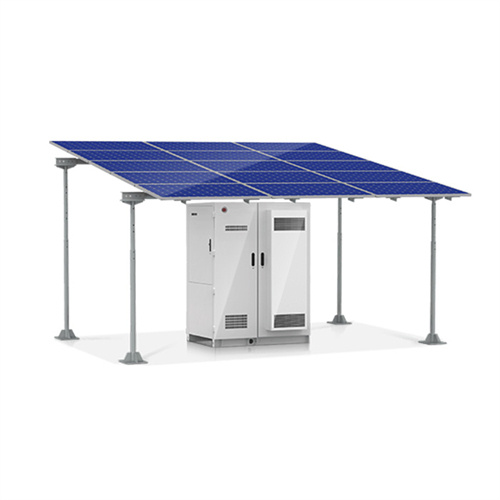
The idea with a flywheel for power storage is that a small amount of electricity is used to keep a heavy mass rotating at a very high speed — 10,000 revolutions per minute (rpm) or faster. Then when power interruptions happen or some extra power is needed to stabilize the grid, that flywheel generates power, gradually slowing down in the process.
Contact online >>
Thermal energy storage (TES) is the storage of for later reuse. Employing widely different technologies, it allows surplus thermal energy to be stored for hours, days, or months. Scale both of storage and use vary from small to large – from individual processes to district, town, or region. Usage examples are the balancing of energy demand between daytime and nighttim.
Contact online >>
The InterPlanetary File System (IPFS) is a , and network for storing and sharing data in a . By using , IPFS uniquely identifies each file in a that connects IPFS , creating a resilient system of file storage and sharing. IPFS allows users to host and receive content in a manner similar to . As opposed to.
Contact online >>Enter your inquiry details, We will reply you in 24 hours.

