
A photovoltaic system, also called a PV system or solar power system, is an designed to supply usable by means of . It consists of an arrangement of several components, including to absorb and convert sunlight into electricity, a to convert the output from to , as well as , , and other electrical accessories to set up a working system. Many utility-scale PV systems use
Contact online >>
A photovoltaic system, also called a PV system or solar power system, is an designed to supply usable by means of . It consists of an arrangement of several components, including to absorb and convert sunlight into electricity, a to convert the output from to , as well as , , and other electrical accessories to set up a working system. Many utility-scale PV systems use
Contact online >>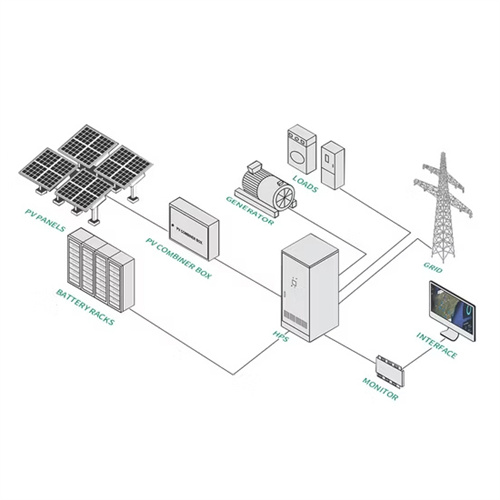
How do you turn on your solar panels?Step 1: Find your breaker box and turn on the solar breaker. Electrical panels or breaker boxes are typically found in utility spaces, such as a basement, garage, utility closet, or laundry room. . Step 2: Turn on your AC Disconnect Next, find your AC Disconnect box. . Step 3: Turn on your solar inverter (a.k.a. combiner box). . Step 4: Connecting the system to your home’s wifi. .
Contact online >>
On laptops, you can enable the battery saver feature manually or automatically. Option One: Turn On or Off Energy Saver in Quick SettingsOption Two: Turn On or Off Energy Saver in SettingsOption Three: Turn On or Off Energy Saver using REG fileOption Four: Turn On or Off "Turn Energy Saver On Automatically" in SettingsOption Five: Turn On or Off "Turn Energy Saver On Automatically" using Command
Contact online >>
However, organic solar cells currently have lower efficiency rates and shorter lifetimes compared to traditional inorganic cells. Despite these limitations, research and development in the field of organic solar cells is ongoing, and there is potential for these materials to play a significant role in the future of solar energy.
Contact online >>
The fledgling nature of the renewable energy industry makes obtaining affordable insurance challenging. These challenges include insurers’ unfamiliarity with PV technologies, a lack of historical loss data (i.e., insurance claims), and limited test data for the long-term viability of PV products under real-life conditions.
Contact online >>Enter your inquiry details, We will reply you in 24 hours.

