
PNIEC envisages the 2030 energy storage scenario to consist of 8 GW of hydroelectric pumping systems (most of which are already in place), 4GW of distributed energy storage systems (i.e. smaller scale storage systems integrated with residential, mostly photovoltaic plants – many of these distributed energy storage systems are also already in place) and 11GW of stand-alone utility scale storage facilities (which need to be developed).
Contact online >>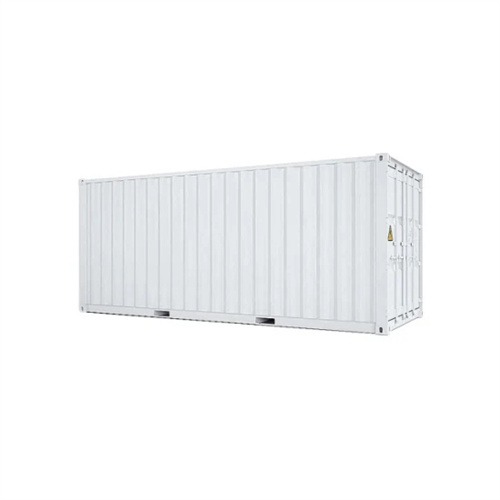
In the storing cycle, liquefied air is stored at low pressure in an insulated tank, which functions as the energy store. A cold box is used to cool compressed air using come-around air, and a cold storage tank can be filled with liquid-phase materials such as propane and methanol, as well as solid-phase materials such as pebbles and rocks.
Contact online >>
Several battery chemistries are available or under investigation for grid-scale applications, including lithium-ion, lead-acid, redox flow, and molten salt (including sodium-based chemistries).1 Battery chemistries difer in key technical characteristics (see What are key characteristics of battery storage systems?), and each battery has unique advantages and disadvantages.
Contact online >>
Cost Composition of Electrochemical Energy Storage Power Station1. Construction cost . 2. Charging cost . 3. Operation labor costs . 4. Operation and maintenance costs . 5. Utility power cost for energy storage . 6. Replacement of energy storage battery and equipment cost . 7. Assessment cost . 8. Disposal costs . 更多项目
Contact online >>
Container energy storage is an integrated energy storage solution that encapsulates high-capacity storage batteries into a container. This energy storage container not only contains storage units, but also includes electronic devices such as battery control, power management, and monitoring systems.
Contact online >>
The EMS is composed of intelligent software and hardware that work together to manage energy storage and distribution. It constantly monitors energy production and consumption rates, making real-time decisions about when to store energy and when to release it. This ensures a consistent energy supply, even when production rates vary.
Contact online >>Enter your inquiry details, We will reply you in 24 hours.

